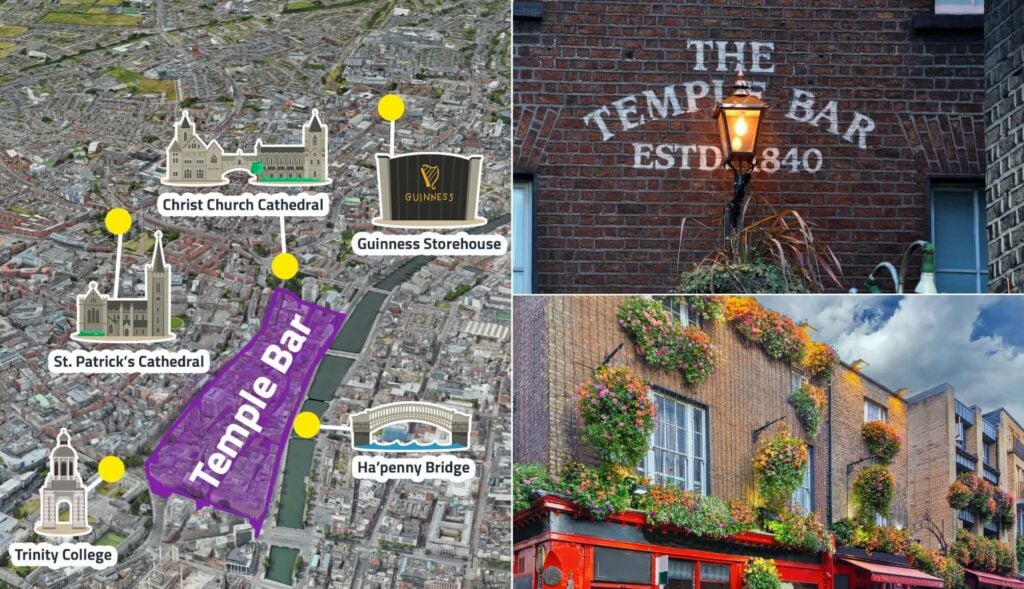
Temple Bar Dublin: Beyond the Pints and Tourist Trap Myths
For many, the name Temple Bar Dublin conjures images of boisterous pubs, overflowing pints, and a vibrant, if sometimes overwhelmingly touristy, atmosphere. It’s the postcard-perfect image of Dublin, frequently splashed across marketing campaigns with its iconic red pub facades and inviting cobbled streets. However, beneath this lively surface lies a district far richer and more complex than its popular, and often misunderstood, reputation suggests. While some locals might dismiss it as a mere ‘tourist trap’ due to the admittedly higher prices in a select few establishments, a deeper look reveals a profound historical narrative and a thriving cultural heart that extends well beyond its legendary nightlife.
To truly appreciate Temple Bar Dublin, one must peel back the layers of its modern-day fame and delve into its fascinating past and diverse present offerings. This article aims to dismantle the myths, highlight its lesser-known treasures, and guide you towards an experience that balances the iconic with the authentic.
Unearthing the Rich History of Temple Bar Dublin
While often seen through a modern lens, the very foundations of Temple Bar Dublin are steeped in centuries of history, predating its current status as a cultural hub. Its origins can be traced back to Viking settlements, though the area as we know it today truly began to take shape much later, in the 17th century. It was during this period that wealthy English families began the ambitious task of reclaiming marshy land along the Liffey, laying the groundwork for the streets and buildings that would define the emerging district. The first official mention of the name 'Temple Bar' appears on Bernard de Gomme's Map of Dublin from 1673, marking the solidification of this burgeoning area on the city's landscape.
A significant turning point arrived in 1707 with the establishment of a new customs house, located on the very site where U2’s Clarence Hotel now stands. This new economic anchor brought a flurry of activity, transforming the once-pastoral area into a bustling commercial hub. Warehouses sprang up, followed by taverns, theatres, and even brothels, attracting a diverse array of characters, from merchants to entertainers, and even less savoury types. This period saw the district flourish, buzzing with trade and entertainment. However, this golden age was, tragically, short-lived.
When customs officials relocated to newer, larger premises on the Northside of the Liffey in 1791, the economic bubble burst. Temple Bar Dublin spiralled into a rapid decline, initiating nearly two centuries of urban decay and degradation. What was once a vibrant quarter became a neglected, dilapidated area. The incredible story of how this forgotten district eventually underwent a dramatic regeneration to become Dublin's iconic cultural quarter is a fascinating tale in itself, showcasing resilience and vision against the odds. For a comprehensive journey through its past, from its Viking roots to its eventual revival, we recommend exploring Temple Bar's True Story: From Viking Past to Dublin's Cultural Heart.
Beyond the Pints: Temple Bar's Cultural Heartbeat
Yes, the pubs of Temple Bar Dublin are legendary, and for good reason. The allure of traditional Irish music (trad sessions), lively banter, and a perfectly poured pint is undeniably a draw. However, to solely define Temple Bar by its nightlife is to miss its vibrant cultural pulse, a testament to its designation as Dublin's official cultural quarter. The area actively promotes arts, creativity, and independent enterprise, offering a rich tapestry of experiences beyond just pub hopping.
Wander its labyrinthine cobbled lanes, and you'll stumble upon an eclectic mix of independent shops, showcasing everything from quirky souvenirs to artisan crafts. Fashionistas will delight in the array of vintage boutiques, where hunting for unique, pre-loved pieces is a rewarding treasure hunt. These aren't just shops; they're gateways to unique finds and support local creatives, offering a refreshing alternative to mainstream retail.
Art and performance also find a prominent home here. The district hosts numerous art installations, small galleries, and performance spaces. Look out for impromptu street performances or planned events that bring the streets to life with music, theatre, and dance. While the pubs offer live music, the cultural quarter concept extends to dedicated venues and institutions that foster creativity and provide platforms for emerging and established artists alike. This commitment to culture ensures that Temple Bar Dublin remains a dynamic space for artistic expression and exploration, inviting visitors to engage with Ireland's contemporary creative scene.
Navigating Temple Bar Dublin Like a Local (and Staying Safe)
The persistent 'tourist trap' label often attached to Temple Bar Dublin is a complex one, largely fueled by the pricing strategies of a few well-known establishments, particularly 'The Temple Bar Pub' and 'Gogarty's.' While these pubs are undeniably iconic and offer a quintessential Dublin experience, their popularity often comes with a premium price tag for drinks. This can lead to a skewed perception of the entire district. The reality is that Temple Bar is a vibrant neighborhood with many pubs, restaurants, and cafes that offer excellent value and authentic experiences if you know where to look.
To avoid feeling 'trapped,' consider exploring slightly off the main thoroughfares. Just a street or two away, you'll often discover hidden gems – smaller, equally atmospheric pubs and eateries that provide a more local feel without the tourist-centric prices. Visiting during the daytime or early evening also allows you to soak in the atmosphere, browse the shops, and enjoy a meal before the late-night crowds fully descend. This timing often provides a more relaxed and culturally immersive experience.
While the daytime buzz of Temple Bar Dublin is largely delightful and safe, it's wise to exercise caution during late evenings. Like any popular nightlife district globally, heavy drinking can attract opportunistic individuals. Incidents of pick-pocketing and other minor disturbances are unfortunately more common when crowds are at their peak and inhibitions are lowered. Our advice is to be aware of your surroundings, keep valuables secure, and consider enjoying the vibrant early evening atmosphere before moving on to other parts of the city if you plan for a very late night out. For a deeper dive into making the most of your visit, including insider tips on where to eat, drink, and explore without falling into common tourist pitfalls, check out our guide: Navigate Temple Bar Like a Local: Tips for Your Dublin Visit.
Conclusion
In conclusion, Temple Bar Dublin is far more than its famous red pub or the clichés that often precede it. It’s a dynamic district with a captivating history, a dedicated cultural heart, and a vibrant energy that embodies much of what makes Dublin unique. While it's wise to be mindful of prices and late-night crowds, dismissing the entire area as a 'tourist trap' is to overlook its genuine charm, its historical significance, and its incredible array of cultural offerings. We encourage visitors to look beyond the surface, explore its hidden lanes, engage with its artistic side, and discover the true, multifaceted spirit of Temple Bar for themselves. It’s an essential, albeit nuanced, part of the Dublin experience, waiting to be explored with an open mind.