Temple Bar's True Story: From Viking Past to Dublin's Cultural Heart
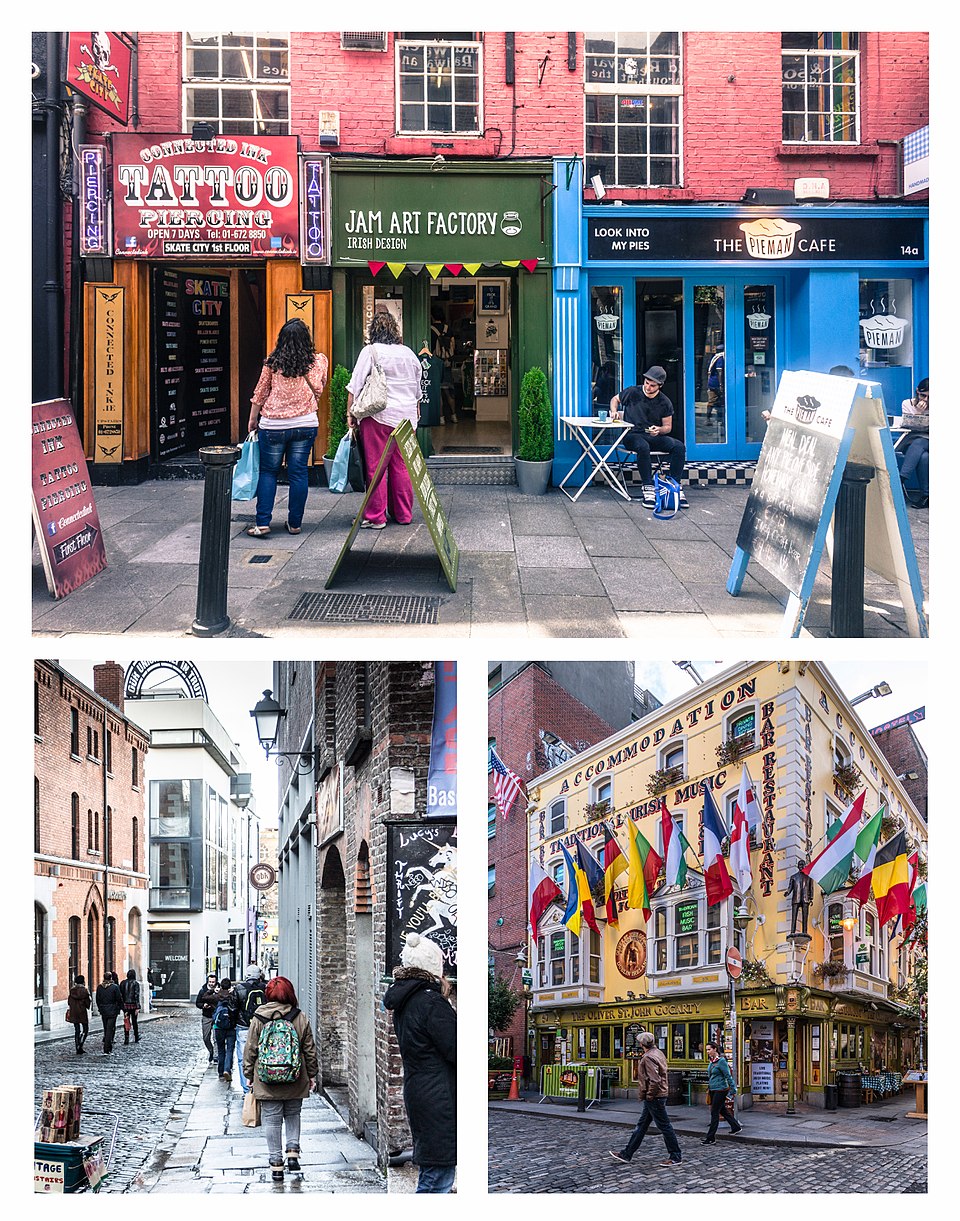
Temple Bar Dublin. The name alone conjures vivid images: cobbled streets echoing with laughter, the unmistakable red facade of its most famous pub, and the lively rhythm of traditional Irish music spilling onto the street. For many first-time visitors to the Emerald Isle, Temple Bar is synonymous with the quintessential Dublin experience, a cultural quarter celebrated in countless marketing campaigns. Yet, beneath this well-known surface lies a much deeper, more complex narrative—a history stretching back centuries, a vibrant present that extends far beyond just pints, and a local perception that often labels it a "tourist trap."
But is this famous district truly just a commercialized hub designed solely for visitors? We argue that such a simplistic view misses the profound layers of history, creativity, and genuine Irish character that define Temple Bar. To truly appreciate this unique corner of Dublin, one must look beyond the immediate hustle and delve into its fascinating past and diverse offerings.
Unearthing Temple Bar's Ancient Roots: From Viking Shores to 17th-Century Boom
While
Temple Bar Dublin feels eternally youthful with its bustling energy, its origins are surprisingly ancient, stretching back to Dublin's earliest days. Before the charming pubs and bustling markets, this area along the southern banks of the River Liffey was once marshy, reclaimed land. Its story began, as with much of Dublin, with the Vikings, who established a settlement here centuries ago. However, it wasn't until the 17th century that the area truly began to take shape as we know it today.
During this period, wealthy English families, including the influential Sir William Temple, Master of the Rolls in Ireland, invested heavily in reclaiming the land from the Liffey. They built elegant houses and laid out streets, transforming the marsh into a nascent urban landscape. The name "Temple Bar" itself is believed to derive from a combination of Sir William Temple's family and the 'bar' or riverside promenade in the area, possibly mirroring the Temple Bar gate in London. Its first official mention appeared on Bernard de Gomme’s Map of Dublin in 1673, cementing its place in the city's cartographic history.
The 18th century brought a dramatic shift. In 1707, a new customs house was established on the site where U2’s Clarence Hotel now stands. This pivotal development injected a surge of economic activity and new life into the once-quiet area. Money flowed in, and with it, a diverse population. Warehouses sprang up to handle goods arriving at the port, quickly followed by taverns, theatres, and even brothels. Temple Bar transformed into a lively, often raucous, hub where merchants rubbed shoulders with sailors, artists, and all manner of city characters. It was a melting pot, a dynamic commercial and entertainment district that reflected the burgeoning energy of Dublin.
The Ebb and Flow: From Decline to Dublin's Designated Cultural Heart
The prosperity that defined 18th-century Temple Bar proved to be fleeting. In 1791, the customs officials decided to relocate their operations to larger, more modern premises on the Northside of the Liffey. This departure was a catastrophic blow to the district. The economic bubble burst, leading to a rapid decline. What followed was a prolonged period of urban decay and degradation that lasted for nearly two centuries. Temple Bar became a forgotten, dilapidated corner of Dublin, its grand 17th-century buildings crumbling, its vibrant past a distant memory.
Remarkably, the area's fortunes began to turn in the late 20th century. Facing proposals for a bus terminal in the derelict district, local activists and artists championed a different vision. Their efforts, combined with strategic planning, led to
Temple Bar Dublin being designated as a cultural quarter in the 1990s. This initiative aimed to preserve its unique architectural character and foster a vibrant creative community, breathing new life into its historic streets. The regeneration was a conscious effort to establish an artistic and cultural heart for the city, attracting galleries, independent businesses, and cultural institutions.
This modern revival saw Temple Bar emerge as the focal point for arts, culture, and entertainment that it is today. Its distinctive red-fronted pubs and cobbled lanes became iconic, heavily featured in Ireland's international marketing. While this renewed prominence brought a surge of visitors and economic revitalisation, it also inadvertently fueled the "tourist trap" perception among some locals, who often associate the district solely with its more commercially-oriented establishments and higher prices. This duality is central to understanding Temple Bar's contemporary identity: a place of genuine cultural significance existing alongside significant commercialisation.
Beyond the Pint Glass: Discovering the True Depth of Temple Bar Dublin
To truly grasp the essence of
Temple Bar Dublin, one must venture beyond the well-trodden paths to its most famous pubs. While the lively atmosphere of its traditional Irish pubs is undoubtedly a draw, the district offers a rich tapestry of experiences that cater to a wide array of interests.
*
Independent Shops & Vintage Boutiques: Dublin's fashion-forward residents and visitors alike flock to Temple Bar for its eclectic mix of independent shops. Here, you'll discover unique Irish crafts, quirky gifts, and an impressive selection of vintage clothing boutiques. These shops offer a refreshing alternative to high-street chains, providing a chance to find one-of-a-kind treasures and support local artisans.
*
Art & Performance Spaces: As a designated cultural quarter, Temple Bar is a hub for the arts. The Irish Film Institute (IFI) offers arthouse cinema and a fascinating archive, while the Project Arts Centre hosts cutting-edge theatre, dance, and visual arts. Scattered throughout the district are smaller galleries, studios, and captivating street art installations that add an urban, creative edge to the historic surroundings.
*
Vibrant Markets: Temple Bar truly comes alive on weekends with its diverse markets. Meeting House Square, a unique outdoor amphitheatre, hosts various markets, from the Temple Bar Food Market offering artisanal produce and gourmet treats, to the Temple Bar Book Market, where bibliophiles can browse for rare finds and literary treasures. These markets provide a genuine taste of local life and community spirit.
*
Culinary Delights: While pub grub is readily available, Temple Bar's culinary scene extends far beyond. You'll find charming cafes serving up excellent coffee and pastries, diverse restaurants offering international cuisine, and trendy eateries catering to modern palates. Exploring these establishments reveals a sophisticated side to the district's dining options.
*
Live Music (Beyond Trad): While traditional Irish music sessions are a cornerstone of Temple Bar's appeal, many venues host a broader spectrum of live music, from rock and jazz to contemporary acts. Exploring different pubs and venues will reveal the depth of Dublin's vibrant music scene, offering something for every taste.
Navigating Temple Bar Dublin Like a Local: Insider Tips for Your Visit
To truly appreciate
Temple Bar Dublin and avoid the pitfalls often cited by locals, a little planning and insider knowledge go a long way.
1.
Timing is Key: For a more relaxed and culturally focused experience, visit during the day. The mornings and early afternoons are perfect for exploring shops, galleries, and markets. The district takes on a different, more boisterous character in the evenings, especially on weekends.
2.
The Pub Conundrum: Yes, *The* Temple Bar Pub with its iconic red exterior is famous, and it's worth seeing, but be prepared for higher prices. Dubliners often lament the cost of a pint here. Don't be afraid to wander off the main drag to discover other fantastic pubs like The Auld Dubliner, The Palace Bar, or The Stag's Head, which offer a more authentic atmosphere and potentially better value. For a deeper dive into how to avoid the common tourist pitfalls and uncover Temple Bar's hidden gems, read our guide on
Temple Bar Dublin: Beyond the Pints and Tourist Trap Myths.
3.
Embrace Exploration: The magic of Temple Bar often lies in its smaller, lesser-known streets and alleys. Take the time to wander, peek into courtyards, and discover hidden gems that aren't on every tourist map.
4.
Safety First: As with any popular, bustling urban area, especially one known for nightlife, it's wise to be aware of your surroundings, particularly in the late evenings. Overindulgence can attract opportunistic individuals. Keep an eye on your belongings, especially in crowded pubs and on the streets. For comprehensive advice on making the most of your trip, including practical travel tips, check out
Navigate Temple Bar Like a Local: Tips for Your Dublin Visit.
5.
Wear Comfortable Shoes: Those charming cobbled streets are beautiful but can be tough on your feet. Opt for comfortable footwear, especially if you plan on doing a lot of walking and exploring.
Conclusion
Temple Bar Dublin is far more than its postcard-perfect image or the "tourist trap" label it sometimes receives. It is a district steeped in history, a testament to Dublin's enduring spirit, and a dynamic hub for culture and creativity. From its marshy Viking beginnings and 17th-century boom to its 200-year decline and subsequent rebirth as a vibrant cultural quarter, Temple Bar's story is one of resilience and transformation. By looking beyond the obvious, exploring its diverse offerings, and approaching it with an open mind, visitors can uncover the true depth and undeniable charm of this iconic Dublin neighbourhood, experiencing its rich tapestry of history, art, and genuine Irish craic.